
If you're a seafood lover looking for a perfect combination of flavor and texture, this Baked Maryland Crab Cakes Recipe will quickly become your go-to. These crab cakes are delightfully packed with lump crab meat and a blend of simple but powerful ingredients that highlight the sweetness of the crab. Baking them to golden perfection instead of frying offers a lighter, equally tempting experience that retains all the classic Maryland charm. Whether for a casual family dinner or a special occasion, this recipe brings a warm, comforting taste of coastal tradition right into your kitchen.
Ingredients You'll Need
The magic of this Baked Maryland Crab Cakes Recipe lies in its straightforward yet thoughtfully chosen ingredients. Each one plays a key role in building the perfect balance of creamy, savory, and slightly tangy notes, along with that irresistible texture that crab cake aficionados crave.
- Egg: Acts as the binder to hold all the ingredients together gently without overpowering the crab.
- Mayonnaise: Adds moisture and a creamy richness, keeping the cakes tender on the inside.
- Old Bay seasoning: The signature spice blend that gives Maryland crab cakes their iconic zesty kick.
- Salt: Enhances the natural sweetness of the crab and balances the flavors.
- Italian breadcrumbs: Provide structure and a satisfying bite, helping the crab cakes hold their shape.
- Fresh parsley: Freshens the dish with a subtle herbal note and a pop of color.
- Worcestershire sauce: Introduces a mild umami depth that elevates the crab’s natural savoriness.
- Dijon mustard: Brings a gentle tang that brightens the flavor profile without overwhelming it.
- Cooked lump crab meat: The star of the show, prized for its sweet, flaky texture and delicate flavor.
- Melted butter (optional): Used to brush the tops for a golden, shiny finish and a touch of richness when baking.
- Lemon wedges: Served on the side to add a fresh, citrusy contrast that complements the seafood beautifully.
How to Make Baked Maryland Crab Cakes Recipe
Step 1: Prepare the Binding Mixture
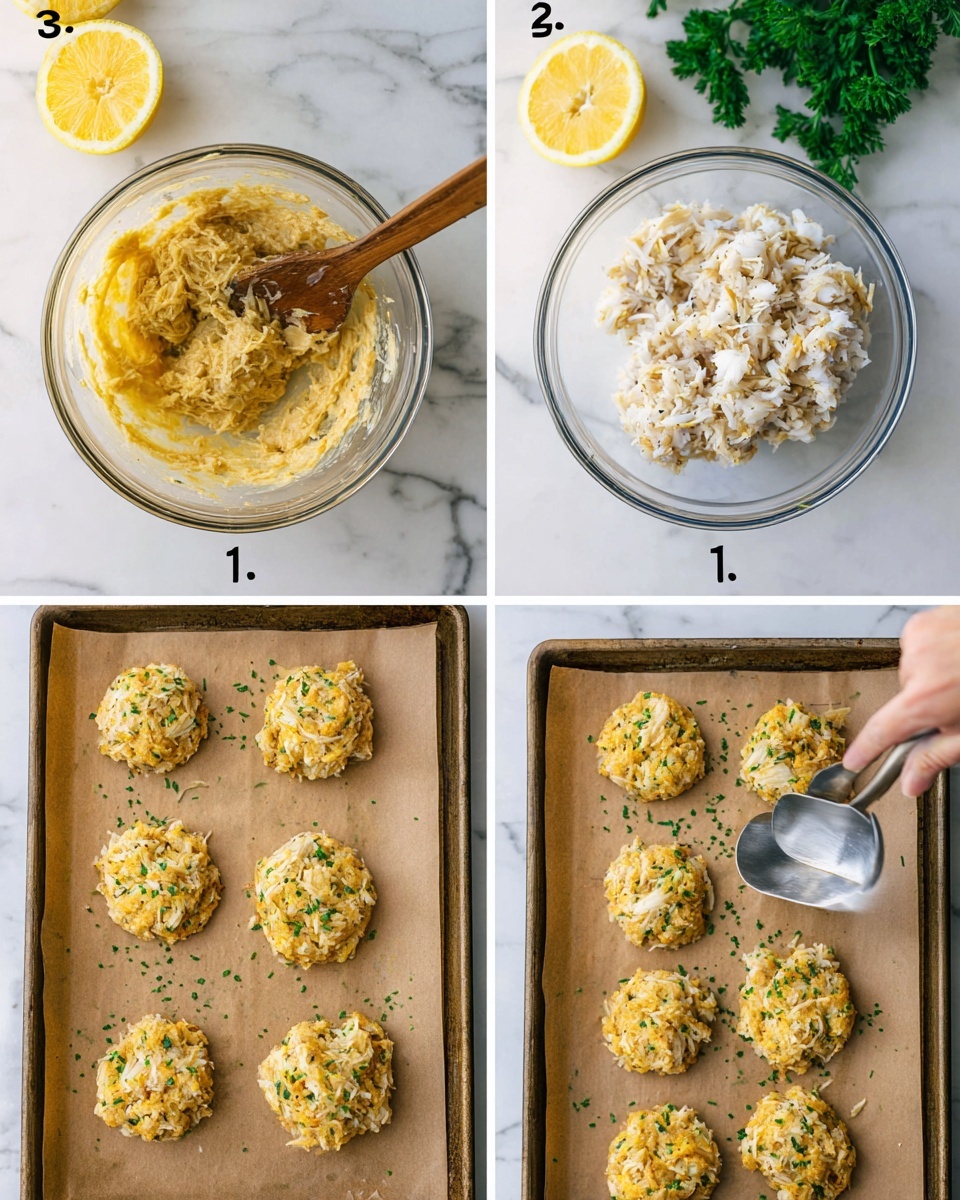
Start by whisking one egg in a large mixing bowl. This step ensures the egg is evenly distributed, allowing it to bind the crab cake ingredients without clumping. Next, add the mayonnaise, Old Bay seasoning, salt, Italian breadcrumbs, finely chopped fresh parsley, Worcestershire sauce, and Dijon mustard to the bowl. Mixing everything thoroughly at this stage is essential for an even flavor throughout each bite of your crab cakes.
Step 2: Incorporate the Crab Meat
Gently fold the cooked lump crab meat into the binding mixture with care. The goal here is to keep the lumps intact to showcase the crab’s natural texture and sweetness, so avoid overmixing or crushing it. This delicate handling makes a big difference in both presentation and eating experience.
Step 3: Chill the Mixture
Cover the bowl with plastic wrap and refrigerate the crab mixture for at least 30 minutes. This chilling step allows the breadcrumbs to absorb moisture and flavors to meld beautifully, resulting in crab cakes that hold together well while being tender and flavorful.
Step 4: Preheat the Oven and Prepare the Baking Sheet
Set your oven to 425°F (245°C), a high temperature that ensures a crisp, golden crust without drying out the inside. Line a baking sheet with parchment paper, which not only prevents sticking but also makes cleanup a breeze.
Step 5: Shape the Crab Cakes
Use a ½ cup measuring scoop to portion the chilled crab mixture onto the baking sheet. Leave about 1 ½ inches between each mound for even cooking. Use a fork or spoon to gently press down any pieces that stick up without flattening the cakes completely, preserving their lovely texture.
Step 6: Add Finishing Touches Before Baking
If you’re using melted butter, brush it lightly over the tops of the crab cakes. This step is optional but highly recommended because it encourages a deeper golden color and a subtle richness that takes the experience to the next level.
Step 7: Bake to Perfection
Place the baking sheet in the oven and bake for 12 to 15 minutes, until the crab cakes turn a beautiful golden brown. The key is to bake just long enough to develop a crisp exterior while keeping the inside moist and tender.
How to Serve Baked Maryland Crab Cakes Recipe
Garnishes
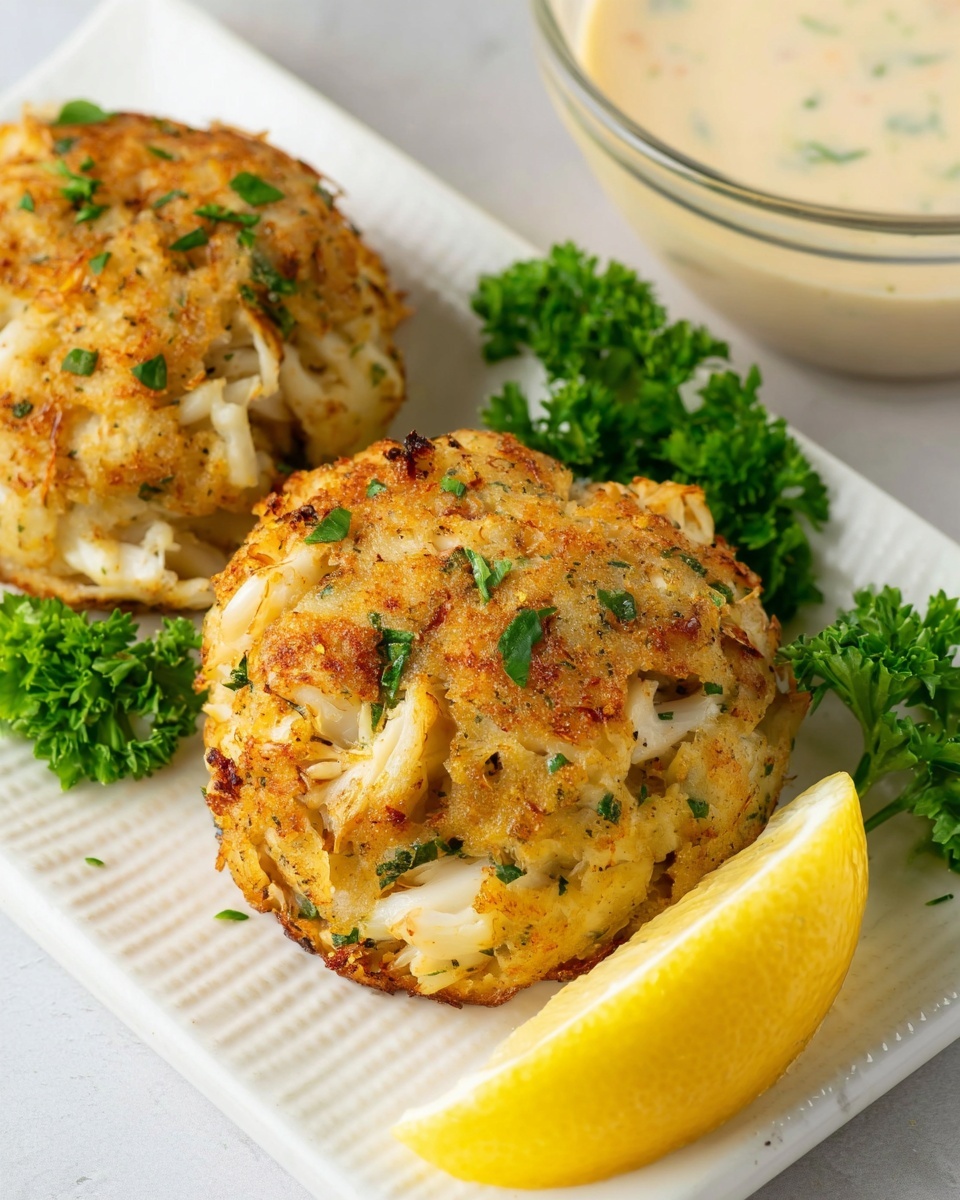
The simplest garnish that amplifies these crab cakes is a squeeze of fresh lemon juice. The bright acidity cuts through the richness and highlights the seafood flavors. A sprinkling of chopped parsley or a drizzle of your favorite tartar sauce also adds the perfect finishing touch.
Side Dishes
Classic sides like a crunchy coleslaw, garlic roasted potatoes, or a fresh green salad provide lovely contrast in texture and temperature. These sides keep the meal balanced without overshadowing the delicate crab cakes.
Creative Ways to Present
For a fun twist, serve your baked Maryland crab cakes atop a bed of mixed greens or alongside a vibrant mango salsa. You might also try them on a toasted brioche bun with lettuce and remoulade sauce for an irresistible crab cake sandwich experience.
Make Ahead and Storage
Storing Leftovers
Leftover crab cakes can be stored in an airtight container in the refrigerator for up to 2 days, though they are best enjoyed fresh. Make sure they are completely cooled before storing to maintain the best texture.
Freezing
You can freeze unbaked crab cakes by placing them on a baking sheet lined with parchment paper, freezing until solid, then transferring to a freezer-safe container. They keep well for up to 1 month. When ready to cook, bake them directly from frozen, adding a few extra minutes to the baking time.
Reheating
To reheat, place the crab cakes on a baking sheet and warm them in a preheated 350°F (175°C) oven until heated through, usually about 8–10 minutes. This method preserves the crisp exterior much better than microwaving.
FAQs
Can I use canned crab meat for this Baked Maryland Crab Cakes Recipe?
While fresh or lump crab meat is preferred for its texture and flavor, canned crab meat can be used in a pinch. Just be mindful of draining it thoroughly to prevent soggy crab cakes.
Is it necessary to use Old Bay seasoning?
Old Bay seasoning is a classic staple in Maryland crab cakes and provides a distinctive flavor that’s hard to replicate. If you don’t have any, a mix of paprika, celery salt, and pepper can be an alternative but the signature taste may differ.
Why is chilling the crab mixture important?
Chilling allows the breadcrumbs to absorb moisture, which helps the cakes hold their shape and intensifies the flavor melding. It also makes them easier to form without falling apart during baking.
Can I make these crab cakes gluten-free?
Absolutely! Swap the Italian breadcrumbs for gluten-free breadcrumbs or crushed gluten-free crackers to maintain the texture and binding properties without gluten.
What sauces pair well with baked crab cakes?
Traditional choices include tartar sauce, remoulade, or a simple lemon aioli. You can also experiment with spicy sriracha mayo or a fresh cucumber dill sauce for a twist.
Final Thoughts
This Baked Maryland Crab Cakes Recipe is a wonderful way to enjoy a classic seafood dish with less fuss and fat but no sacrifice in flavor. The combination of fresh crab, fragrant spices, and a golden crust makes it a crowd-pleaser every time. I hope you’ll try this recipe soon and experience the joy of a homemade Maryland favorite that feels both special and inviting.
Print
Baked Maryland Crab Cakes Recipe
- Prep Time: 20 minutes
- Cook Time: 15 minutes
- Total Time: 35 minutes
- Yield: 6 servings
- Category: Appetizer
- Method: Baking
- Cuisine: American
Description
These Baked Maryland Crab Cakes offer a classic and flavorful way to enjoy sweet lump crab meat enhanced with traditional seasonings like Old Bay and Dijon mustard. Crisply baked to a golden brown, they are a delicious appetizer or main dish perfect for seafood lovers seeking a light yet satisfying meal.
Ingredients
Crab Cake Mixture
- 1 egg
- ⅓ cup mayonnaise
- 1 ½ teaspoon Old Bay seasoning
- ½ teaspoon salt
- ½ cup Italian breadcrumbs
- ½ tablespoon finely chopped fresh parsley
- ½ tablespoon Worcestershire sauce
- 1 teaspoon Dijon mustard
- 1 pound cooked lump crab meat
For Baking
- 2 tablespoons butter (melted, optional)
- Lemon wedges for serving
Instructions
- Prepare the Binding Mixture: Whisk the egg in a large bowl. Add mayonnaise, Old Bay seasoning, salt, Italian breadcrumbs, finely chopped parsley, Worcestershire sauce, and Dijon mustard. Mix everything thoroughly until well combined to form the base of the crab cake mixture.
- Fold in Crab Meat: Gently fold the lump crab meat into the mixture with care to avoid breaking up the lumps. This keeps the crab cakes chunky and maintains texture.
- Chill the Mixture: Cover the bowl and refrigerate for at least 30 minutes, or up to 24 hours. This resting time allows flavors to meld and breadcrumbs to absorb moisture, helping the crab cakes hold their shape.
- Preheat Oven and Prepare Baking Sheet: Preheat your oven to 425°F (245°C). Line a baking sheet with parchment paper to prevent sticking and allow for easy cleanup.
- Shape Crab Cakes: Scoop ½ cup portions of the chilled crab mixture onto the baking sheet, spacing them about 1 ½ inches apart. Use a fork or spoon to gently press down any protruding crab meat bits without flattening the cakes, preserving their texture.
- Brush with Butter: If desired, lightly brush the tops of each crab cake with melted butter to enhance browning and flavor.
- Bake Until Golden: Place the baking sheet in the oven and bake for 12 to 15 minutes, or until crab cakes are golden brown on top and heated through.
- Serve: Remove from oven and serve warm with lemon wedges alongside your favorite dipping sauce for a classic Maryland crab cake experience.
Notes
- For firmer crab cakes, refrigerate the mixture longer before shaping and baking.
- You can serve these crab cakes with tartar sauce, remoulade, or a simple aioli for added flavor.
- Use lump crab meat for the best texture; avoid canned crab meat as it is often more shredded.
- To make these gluten-free, substitute Italian breadcrumbs with gluten-free breadcrumbs.
- For a richer flavor, brushing with melted butter before baking is recommended but optional.


Leave a Reply